When trauma-informed care meets intentional facilitation, self compassion group activities become powerful catalysts for deep emotional transformation. These structured interventions go far beyond surface-level wellness exercises they create neurobiologically safe environments where participants can reconnect with themselves and others authentically. This comprehensive guide explores how mental health professionals and group therapy facilitators can design evidence-based sessions that honor trauma responses while fostering genuine healing. You will discover compassion-focused therapy techniques, learn to navigate emotional regulation challenges within group dynamics, and understand the psychological frameworks that make these activities truly transformational. Whether you work in clinical settings or community wellness programs, this resource equips you with advanced methodologies to elevate your self compassion group activities practice.
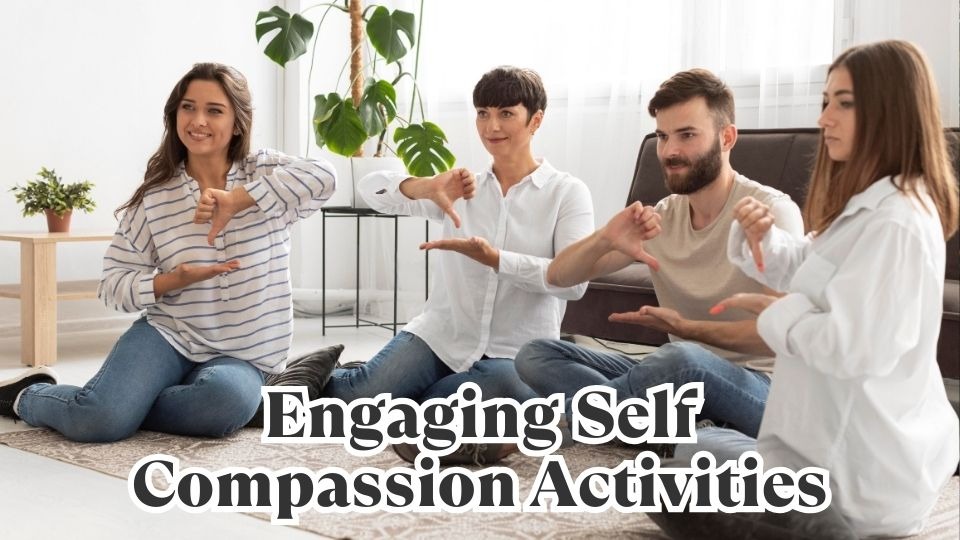
Understanding the Foundation of Self Compassion Group Activities
The therapeutic landscape has evolved significantly over the past two decades, bringing self compassion group activities into mainstream clinical practice. These structured interventions combine mindfulness practices with interpersonal connection to help participants develop kinder relationships with themselves. Unlike individual therapy sessions, group formats leverage the power of collective witnessing and shared vulnerability. Participants often discover that their struggles are universal rather than isolating experiences.
The core philosophy behind these interventions draws from Buddhist contemplative traditions merged with Western psychological research. Kristin Neff’s pioneering work in the early 2000s established the academic framework that mental health professionals now apply in diverse therapeutic contexts. This integration of ancient wisdom and modern science creates a robust foundation for transformational work.
Historical Development and Therapeutic Roots
Compassion focused therapy emerged from Paul Gilbert’s research on shame and self criticism during the 1990s. His observations revealed that many clients struggled to internalize positive therapeutic gains because their inner critic remained dominant. This discovery led to the development of specific techniques targeting the threat system while activating the soothing system within the brain.
Group therapy facilitation incorporating these principles gained momentum after 2010. Researchers began documenting how collective environments amplified individual healing outcomes. The social engagement system, as described by polyvagal theory, responds powerfully to safe interpersonal connections. This neurobiological understanding transformed how clinicians approach self compassion group activities in clinical settings.
Why Trauma Informed Facilitation Matters in Group Settings
Trauma fundamentally alters how individuals perceive safety, connection, and self worth. Without trauma informed care principles guiding the facilitation process, well intentioned activities can inadvertently trigger participants. The nervous system of trauma survivors remains hypervigilant, scanning for potential threats even in supportive environments. Facilitators must understand these physiological realities to create genuinely transformative experiences.
Psychological safety forms the bedrock upon which all meaningful group work rests. When participants feel truly safe, their prefrontal cortex remains online, allowing for integration and learning. Conversely, perceived threats activate survival responses that override higher cognitive functions. Skilled facilitators recognize these dynamics and adjust their approach accordingly.
Creating Psychological Safety Through Intentional Design
Effective self compassion group activities begin long before participants arrive. The physical environment communicates messages about safety through lighting, seating arrangements, and sensory considerations. Facilitators trained in somatic awareness notice how bodies respond to spatial configurations and make adjustments proactively.
Establishing clear agreements at the outset helps regulate group nervous system responses. These agreements address confidentiality, participation expectations, and communication norms. Participants who understand the container feel more willing to engage vulnerably. This predictability supports emotional regulation throughout the session.
Core Benefits of Implementing These Therapeutic Interventions
Research consistently demonstrates significant improvements across multiple wellbeing indicators when individuals participate in structured compassion based programs. The benefits extend beyond symptom reduction into fundamental shifts in how people relate to their internal experiences.
- Participants develop increased capacity for emotional regulation when facing difficult situations, reducing reactive patterns that previously caused interpersonal conflicts and internal distress
- Attachment patterns begin shifting as individuals experience consistent attunement within the group container, creating new templates for relational safety
- Shame resilience strengthens through the normalization that occurs when others share similar struggles openly and authentically
- Mindfulness practices embedded within these activities enhance present moment awareness and reduce rumination cycles
- Neuroplasticity research shows measurable changes in brain regions associated with self referential processing after consistent participation
The collective dimension of self compassion group activities offers something individual practice cannot replicate. Witnessing others extend kindness to themselves models possibilities that feel impossible when attempted alone. This social learning accelerates transformation in ways researchers continue documenting.
Navigating Common Challenges in Group Facilitation
Despite their profound potential, these therapeutic interventions present significant facilitation challenges. Mental health professionals must prepare for various obstacles that arise during the group process. Anticipating these difficulties allows for more skillful responses when they emerge.
Resistance often surfaces when participants encounter unfamiliar emotional territory. Some individuals intellectualize concepts rather than embodying them experientially. Others may use humor to deflect from vulnerable moments. Skilled facilitators recognize these protective strategies without shaming participants for employing them.

Addressing Resistance and Emotional Dysregulation
When participants experience emotional flooding during self compassion group activities, facilitators must balance individual needs with group containment. Having co facilitators present allows one person to attend to the dysregulated individual while another maintains group safety. This preparation reflects trauma informed care best practices.
Pacing represents another critical consideration. Moving too quickly through exercises leaves participants without adequate integration time. Nervous system regulation requires patience and attunement that hurried schedules undermine. Effective facilitators remain flexible, adjusting planned agendas based on group energy and capacity.
Practical Examples and Evidence Based Applications
Implementing these principles requires concrete techniques that facilitators can adapt to their specific populations. The compassionate body scan offers one accessible entry point. Participants systematically bring gentle attention to different body regions while offering phrases of care and acceptance. This practice builds somatic awareness while cultivating inner kindness.
Dyadic sharing exercises create powerful moments of witnessed vulnerability. Partners take turns completing sentence stems related to self compassion while the listener offers silent, attentive presence. This structure provides enough scaffolding for safety while allowing authentic expression.
Self compassion group activities designed for clinical settings often incorporate writing components. Participants compose letters to themselves from the perspective of an unconditionally loving friend. Reading these letters aloud, when participants feel ready, amplifies their healing outcomes through community witnessing.
The evidence base supporting these approaches continues expanding annually. Randomized controlled trials demonstrate effectiveness across diverse populations including healthcare workers, trauma survivors, and individuals with chronic pain conditions. This research foundation allows mental health professionals to recommend these interventions with confidence grounded in scientific validation.
Conclusion:
Implementing self compassion group activities within trauma informed frameworks represents a significant advancement in therapeutic practice. Mental health professionals who master these facilitation techniques create transformative healing spaces where participants develop lasting emotional regulation skills and healthier attachment patterns. The integration of compassion focused therapy principles with group dynamics offers outcomes that individual interventions alone cannot achieve. As research continues validating these approaches, clinicians have growing confidence in recommending self compassion group activities for diverse populations. Moving forward, prioritizing psychological safety and somatic awareness will remain essential for facilitators committed to supporting genuine transformation in those they serve.