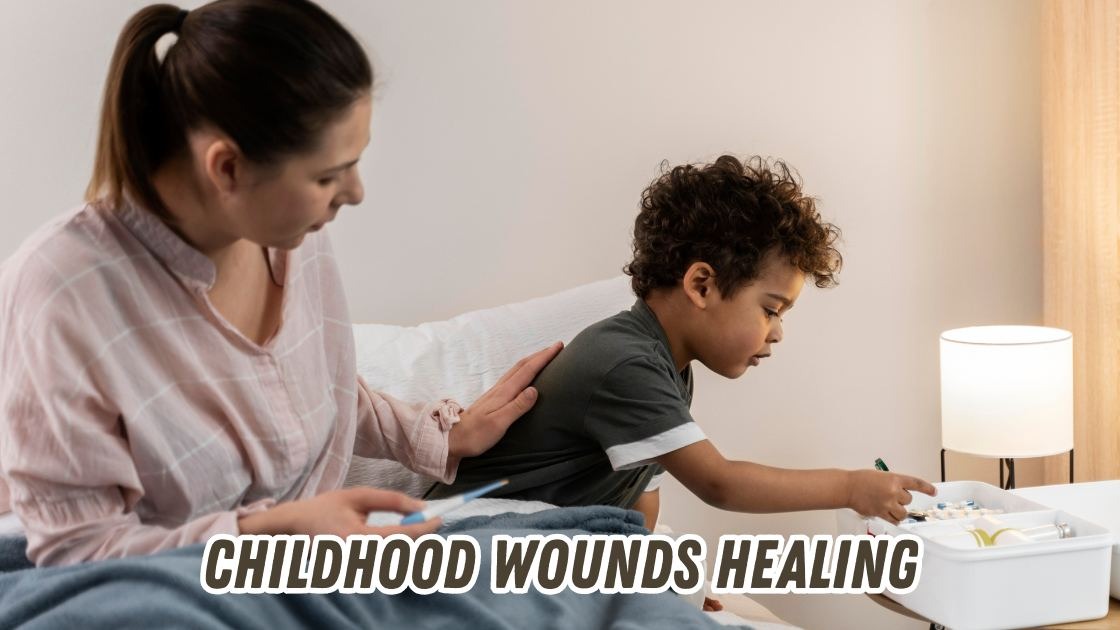
The transformative process of childhood wounds healing has gained remarkable scientific validation as researchers uncover powerful neurological pathways for lasting recovery. Modern brain science now confirms that early emotional injuries can be resolved through evidence-based therapeutic approaches.
This comprehensive guide explores the intersection of trauma neuroscience, developmental psychology, and somatic therapy to provide complete frameworks for profound transformation. You will discover research-backed insights rooted in attachment repair and emotional processing principles enabling genuine liberation.
Understanding childhood wounds healing empowers breaking free from unconscious patterns limiting relationships, self worth, and psychological wellness throughout adulthood. Whether addressing specific traumas or developmental gaps, this knowledge becomes life changing. Let us explore the proven pathways to emotional freedom together.
Understanding Childhood Wounds Healing
Childhood wounds healing refers to the comprehensive psychological process of addressing emotional injuries, neglect experiences, and traumatic events occurring during formative developmental years. This journey involves identifying how early adversity shaped current beliefs, behaviors, and relational patterns affecting adult functioning. Trauma neuroscience research validates that these wounds create lasting neurological imprints requiring deliberate therapeutic intervention.
The developing brain records experiences during childhood creating templates for emotional responses and self perception. Negative events during critical periods establish patterns persisting throughout life without appropriate attention. Understanding these dynamics empowers individuals to pursue meaningful recovery pathways.
The Core Elements Explained
At its foundation, this healing process involves reconnecting with wounded psychological aspects carrying unprocessed emotional pain. Developmental psychology confirms that children lack cognitive capabilities to process overwhelming experiences appropriately. These unintegrated memories continue influencing adult behavior unconsciously.
Attachment repair addresses disrupted bonding experiences affecting relationship capabilities throughout life. Somatic therapy recognizes that trauma stores within body tissues requiring physical release alongside cognitive processing. Understanding these interconnected elements enables comprehensive recovery approaches.
Historical Background and Therapeutic Development
Scientific investigation into childhood wounds healing gained momentum during the late twentieth century as researchers documented developmental impacts extensively. Early psychological theories emphasized formative years as foundational for adult mental health outcomes. Pioneers recognized that addressing root causes proved more effective than symptom management alone.
The adverse childhood experiences study during the 1990s demonstrated measurable connections between early trauma and adult health conditions. This landmark research transformed understanding of how childhood wounds influence lifelong wellness. Scientific validation accelerated development of specialized therapeutic approaches.
From Theory to Neurological Evidence
Initial therapeutic approaches relied primarily on verbal exploration of childhood memories through traditional talk therapy. Brain imaging technology advancement enabled researchers to observe actual neurological changes resulting from trauma. These discoveries revealed how experiences physically reshape brain architecture.
Contemporary trauma neuroscience integrates these findings into comprehensive treatment frameworks. EMDR, somatic experiencing, and internal family systems demonstrate remarkable effectiveness in clinical applications. This evolution reflects a growing understanding that healing requires addressing both psychological and physiological dimensions.
Why Addressing Early Wounds Matters Today
Prioritizing childhood wounds healing has become essential as research reveals far reaching consequences of unaddressed trauma. Studies document connections between early adversity and adult mental health challenges including anxiety and depression. Physical health conditions including autoimmune disorders correlate with unprocessed childhood experiences.
Research consistently demonstrates concerning patterns of intergenerational transmission without appropriate intervention. Parents unconsciously pass unresolved wounds to children through behavioral and emotional patterns. Breaking these cycles requires deliberate healing work addressing original sources.
The Critical Significance
Neuroplasticity confirms that brains retain capacity for rewiring throughout entire lifespans enabling genuine transformation. Emotional processing capabilities damaged during childhood can develop through targeted therapeutic approaches. These scientific realities offer hope for complete recovery regardless of wound severity.
Developmental psychology research reveals that secure attachment patterns can develop even after insecure beginnings. Therapeutic relationships provide corrective emotional experiences rewiring relational templates. This evidence underscores why pursuing healing delivers profound life improvements.
Key Benefits of Addressing Early Trauma
Investing in childhood wounds healing delivers transformational benefits documented through extensive clinical research. Multiple studies reveal improvements spanning psychological wellness, relationship quality, and physical health outcomes. These advantages extend across every life domain.
Consider these documented benefits from psychological research:
- Enhanced emotional regulation enabling calm responses during situations previously triggering overwhelming reactions
- Improved relationship quality through developed secure attachment patterns replacing dysfunctional dynamics
- Increased self worth resulting from resolved shame and negative beliefs internalized during early years
- Greater mental stability with significantly reduced anxiety and depression symptoms consistently
- Broken generational cycles preventing unconscious transmission of wounds to children and descendants
Transformational Outcomes
Beyond individual benefits, healed individuals positively influence families and communities through changed patterns. Parenting capabilities improve dramatically when personal wounds receive appropriate therapeutic attention. Professional relationships strengthen as triggered reactions decrease significantly.
Physical health improvements emerge as chronic stress from unresolved trauma decreases measurably over time. Immune function enhances when nervous systems shift from constant hypervigilance toward healthy regulation. These cascading advantages demonstrate why healing investment delivers extraordinary returns.
Common Challenges and Recovery Approaches
Despite understanding childhood wounds healing conceptually, the process presents significant challenges for many individuals. Accessing buried memories and emotions can feel overwhelming without proper professional support. Defense mechanisms developed for childhood survival actively resist therapeutic exploration.
Fear of confronting painful experiences prevents many people from beginning recovery journeys courageously. Concerns about family relationship disruption create additional resistance to exploring past dynamics. Successful healing requires addressing these barriers with compassion and appropriate pacing.
Evidence-Based Recovery Strategies
Somatic therapy identifies specific techniques proven effective for releasing trauma stored within body tissues. Attachment repair work facilitates development of secure relational patterns through therapeutic connections. Guided emotional processing enables safe exploration of difficult memories.
Internal family systems therapy helps reconnect with wounded inner parts carrying unprocessed childhood pain. Building relationships with trained trauma specialists provides safe containers for deep exploration. These approaches demonstrate significant effectiveness across diverse clinical populations.

Real World Examples and Recovery Success
Examining childhood wounds healing through concrete examples illustrates transformation possibilities effectively. Renowned therapist Gabor Mate publicly shares his own healing journey demonstrating remarkable recovery outcomes. His work inspires millions facing similar challenges worldwide.
Celebrities including Drew Barrymore openly discuss processing difficult childhood experiences through dedicated therapeutic work. Their transparency normalizes seeking help while demonstrating achievable transformation. These public examples reduce stigma surrounding trauma recovery.
Research from psychological wellness organizations documents successful healing stories across diverse populations globally. Participants report dramatically improved life satisfaction following structured treatment programs. Their journeys confirm that childhood wounds healing creates lasting emotional liberation through neuroplasticity and committed therapeutic engagement supporting complete freedom from early pain toward fulfilling lives.
Conclusion:
Embracing childhood wounds healing represents scientifically validated knowledge for achieving emotional liberation and breaking intergenerational trauma patterns. Throughout this guide, we explored the trauma neuroscience foundations, developmental psychology insights, and evidence-based recovery strategies enabling profound personal transformation.
By implementing somatic therapy techniques, engaging attachment repair work, and committing to professional therapeutic relationships, you rewire neural pathways supporting lasting psychological wellness. Understanding childhood wounds healing empowers freedom from unconscious patterns affecting emotional regulation and self worth.
Your journey toward complete liberation begins with one courageous step today. Start implementing these strategies and experience remarkable transformation toward lasting inner peace.