
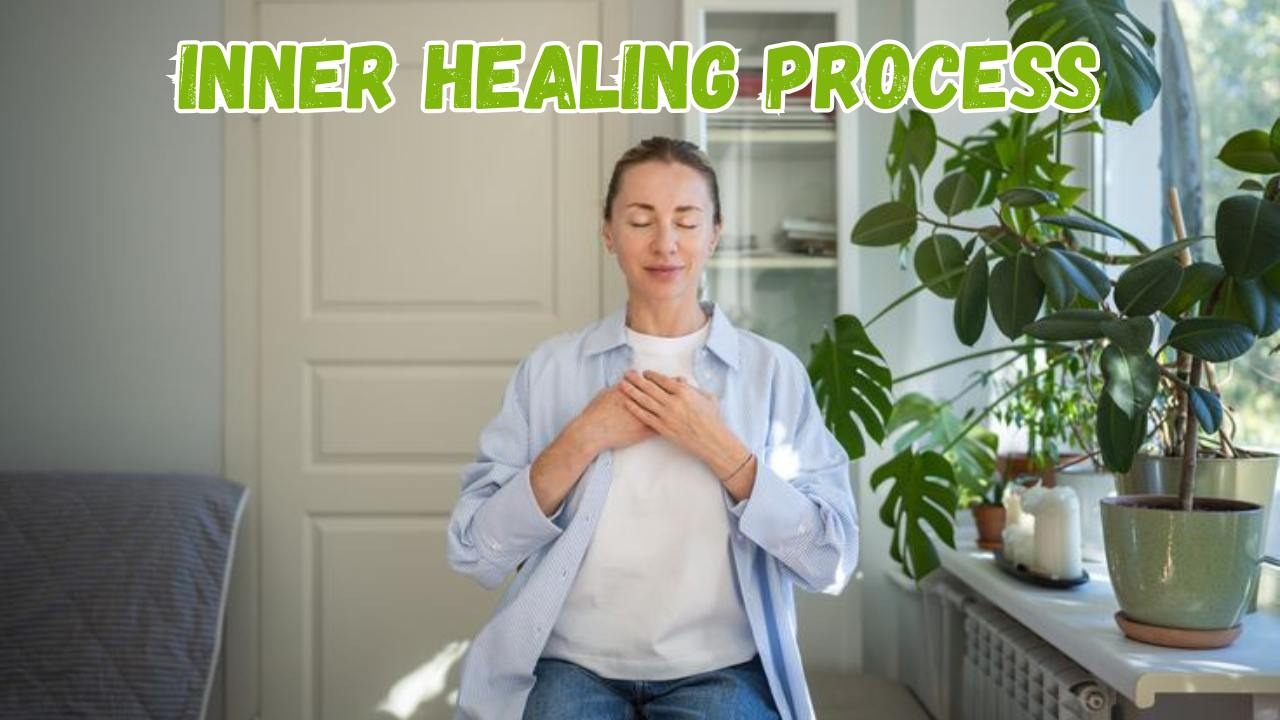
The inner healing process begins the moment you decide to face emotional pain with compassion instead of avoidance. Many people carry unspoken wounds from past experiences that quietly affect their thoughts, relationships, and self-worth. This article explores how healing from within can help release emotional burdens and restore a sense of calm and clarity. You will learn practical steps rooted in emotional recovery, self-awareness, mindfulness practices, emotional balance, and self-compassion.
By understanding how inner healing works and why it matters, you can slowly rebuild trust in yourself and move toward lasting peace. This guide will walk you through the meaning of inner healing, its importance, and simple ways to begin the journey toward emotional freedom and personal growth, one mindful step at a time.
Understanding the Inner Healing Process
Definition and Meaning of Emotional Healing
The healing process refers to the conscious journey of acknowledging emotional wounds and gently restoring inner harmony. It focuses on recognizing unresolved feelings and transforming them through self-awareness and emotional recovery. Rather than ignoring pain, this approach encourages acceptance, reflection, and growth. Healing begins internally and gradually influences thoughts, behaviors, and relationships.
Historical and Psychological Background
Across cultures, emotional healing has been part of spiritual traditions, therapy, and mindfulness practices. Ancient philosophies emphasized inner peace as the foundation of wellbeing, while modern psychology connects healing to trauma healing and emotional regulation. Over time, these perspectives merged, shaping today’s understanding of holistic inner restoration.
Why the Inner Healing Process Matters
Impact on Mental and Emotional Wellbeing
The inner healing process plays a vital role in improving mental clarity and emotional stability. Unresolved emotions often surface as stress, anxiety, or emotional numbness. Healing from within helps individuals regain emotional balance and develop healthier coping responses to life challenges.
Connection to Personal Growth
Healing inner wounds allows space for personal growth and self-discovery. When emotional baggage is released, confidence increases and decision-making becomes clearer. This process nurtures a deeper connection with oneself and others.
Key Elements of the Inner Healing Process
Self-Awareness and Emotional Acceptance
Self-awareness is the foundation of the inner healing process. It involves noticing emotional patterns without judgment and accepting feelings as they arise. This practice supports self-compassion and reduces inner conflict.
Mindful Observation of Emotions
Mindful awareness helps identify emotional triggers and responses. By observing thoughts calmly, individuals gain insight into the roots of emotional pain.
Mindfulness Practices for Healing
Mindfulness techniques play a powerful role in emotional restoration. Practices such as meditation and breath awareness calm the nervous system and enhance mindfulness practices.
Daily Mindfulness Habits
Simple habits like quiet reflection or body scanning help ground emotions and encourage emotional release.
Emotional Release and Expression
Healthy emotional expression is essential during the inner healing process. Suppressed emotions often prolong suffering. Expressing feelings through writing, conversation, or creativity promotes emotional recovery.
Benefits of the Inner Healing Process
Improved Emotional Balance
One major benefit of the inner healing process is improved emotional balance. Individuals experience fewer emotional extremes and greater inner calm. This stability supports healthier reactions to stress.
Stronger Relationships
Healing internally enhances empathy and communication. As emotional clarity improves, relationships become more authentic and supportive.
Enhanced Mental Resilience
Inner healing strengthens resilience by teaching emotional regulation and patience. Over time, challenges feel more manageable and less overwhelming.
Challenges in the Inner Healing Process
Facing Emotional Discomfort
The inner healing process can feel uncomfortable at times. Facing painful memories or emotions requires courage. Resistance often appears when fear or vulnerability arises.
Consistency and Patience
Healing is not instant. Many people struggle with impatience or inconsistency. Trusting the journey and allowing time for healing is essential for lasting change.

Practical Steps to Begin the Inner Healing Process
Daily Practices for Emotional Healing
Incorporating small daily habits supports steady progress. These actions encourage emotional awareness and healing over time.
Simple Healing Practices
- Reflect on emotions through journaling
- Practice deep breathing for relaxation
- Engage in mindful meditation sessions
- Express feelings through creative outlets
- Set boundaries to protect emotional energy
Seeking Support When Needed
Support from trusted individuals or professionals can strengthen the healing process. Therapy and guided practices provide tools for navigating complex emotions and trauma healing.
Real-Life Examples of Inner Healing
Healing After Emotional Loss
Many individuals begin the healing process after experiencing loss or heartbreak. By practicing self-reflection and self-compassion, they gradually rebuild inner peace and confidence.
Recovery from Past Trauma
Those working through past trauma often use mindfulness and emotional expression to restore trust in themselves. Over time, emotional triggers lose intensity, and a sense of safety returns.
Long-Term Growth Through Inner Healing
Sustaining Emotional Wellbeing
The healing process supports long-term emotional wellbeing when practiced consistently. Continued self-awareness and mindfulness maintain inner balance even during stressful periods.
Living with Greater Peace
Ultimately, inner healing leads to a calmer, more intentional life. Emotional clarity allows individuals to move forward with resilience, purpose, and renewed inner peace.
Conclusion:
In conclusion, the inner healing process is a powerful journey that supports lasting emotional recovery, deeper self-awareness, and improved emotional balance. By practicing mindfulness practices, encouraging healthy emotional expression, and developing self-compassion, individuals can gradually release inner pain and build resilience. Although healing may involve discomfort and patience, the long-term benefits include stronger relationships, mental clarity, and sustainable inner peace. Embracing this process with consistency and openness allows personal growth to unfold naturally, creating a healthier connection with oneself and a more balanced, fulfilling life.