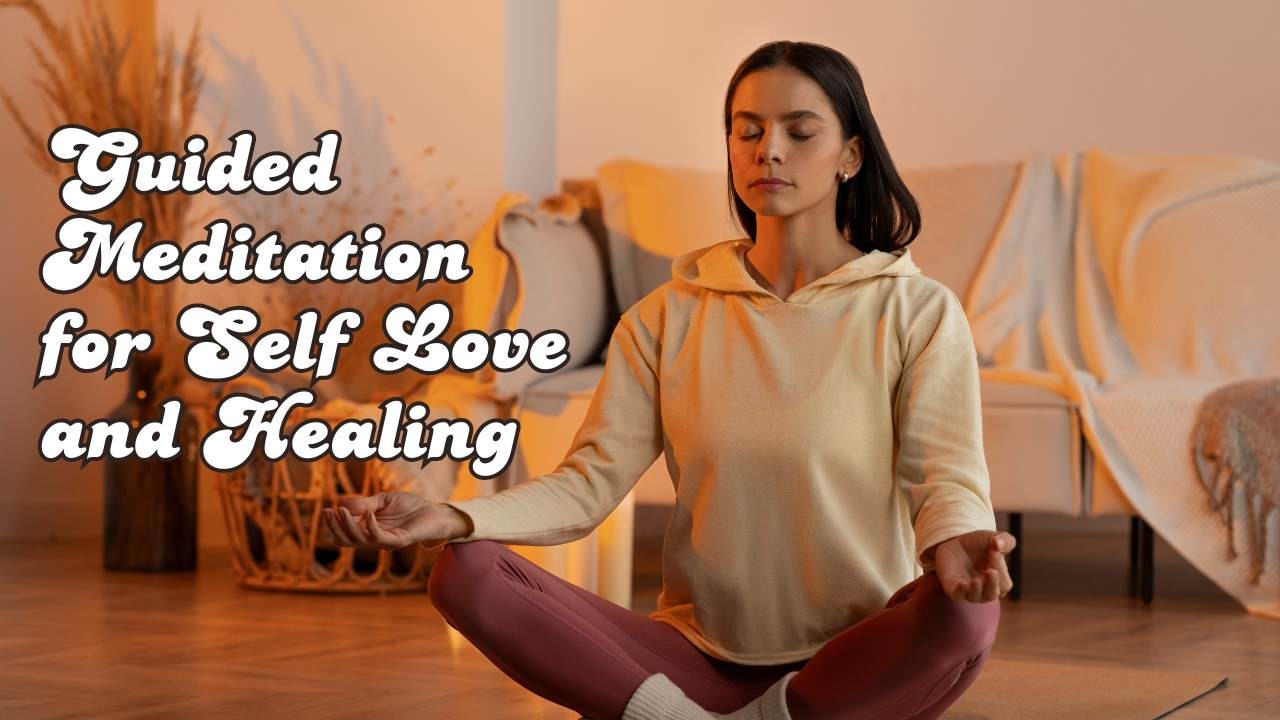
Guided meditation for self love and healing is a powerful tool to nurture emotional wellness, build self-confidence, and foster inner peace. Practicing mindfulness with intentional guidance helps release negative thoughts, reduce stress, and enhance self-awareness, creating a stronger connection with your authentic self.
This article explores practical techniques for incorporating guided meditation into daily life, helping you cultivate self-compassion, emotional balance, and a positive mindset. You will learn strategies to manage inner criticism, promote personal growth, and strengthen resilience through focused meditation exercises. By the end, you will understand how consistent practice of guided meditation for self love and healing can transform your mindset, encourage emotional healing, and empower you to approach life with clarity, confidence, and a renewed sense of inner calm.
Understanding Guided Meditation for Self Love and Healing
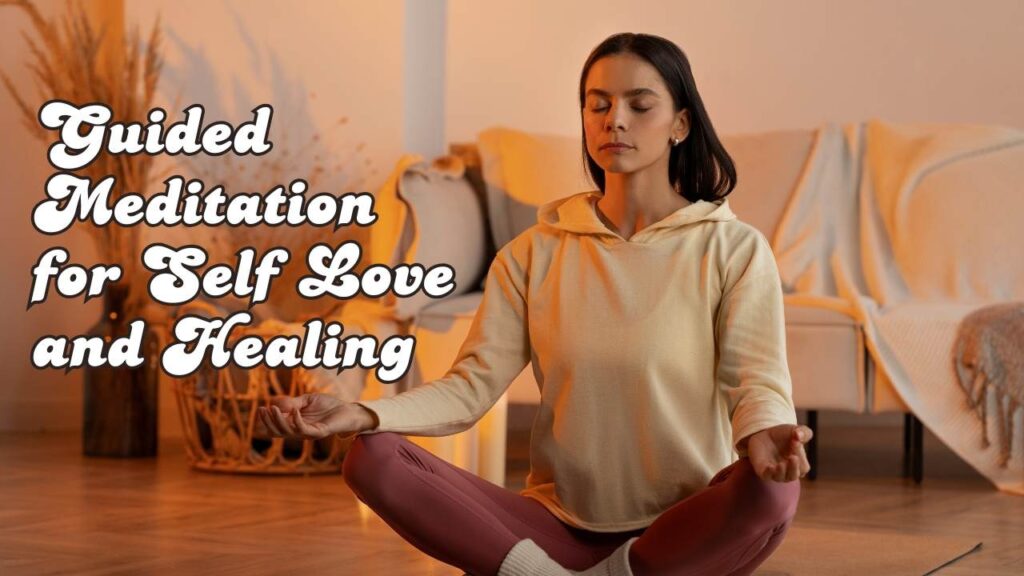
Guided meditation for self love and healing is a mindfulness practice designed to nurture self-compassion, emotional balance, and inner peace. It involves listening to structured meditation sessions that direct attention to positive affirmations, visualization, and emotional release. This practice promotes emotional wellness, reduces stress, and enhances self-awareness, helping individuals connect deeply with themselves. By integrating this meditation into daily routines, people can overcome self-criticism, cultivate self-confidence, and foster personal growth, creating a foundation for mental clarity and resilience.
Background and History of Self-Love Meditation
Origins of Guided Meditation
Meditation has been practiced for centuries in various cultures, often emphasizing spiritual growth and mental clarity. The concept of guided meditation emerged as a modern adaptation, making meditation accessible to individuals seeking structured guidance for emotional healing and stress management.
Evolution into Self-Love Practices
In recent decades, guided meditation has been tailored to focus specifically on self-love, self-compassion, and inner peace. These practices help participants release negative thought patterns, reduce anxiety, and cultivate a stronger sense of personal empowerment.
Importance of Guided Meditation for Self Love
Practicing guided meditation supports mental and emotional health by encouraging self-reflection, mindfulness, and acceptance. It helps individuals build resilience, manage stress, and enhance emotional intelligence. By fostering a positive relationship with oneself, guided meditation strengthens self-esteem, encourages personal growth, and promotes healthier interactions with others. Those who consistently practice experience greater clarity, emotional stability, and the ability to respond calmly to life’s challenges.
Benefits of Guided Meditation for Self Love and Healing
Emotional Healing and Stress Relief
Regular practice of guided meditation for self love and healing allows individuals to process emotions safely and release tension. It encourages self-compassion, reduces negative self-talk, and helps manage anxiety and stress levels.
Enhanced Self-Confidence
Focusing on positive affirmations and self-reflection strengthens self-confidence. Individuals develop a sense of empowerment and self-worth that supports decision-making, goal-setting, and personal development.
Mindfulness and Self-Awareness
Guided meditation enhances mindfulness, helping individuals become more present and attentive to their thoughts and feelings. Increased self-awareness promotes emotional intelligence and enables healthier responses to challenges and interpersonal situations.
Physical and Mental Well-Being
Practicing meditation reduces stress hormones, lowers blood pressure, and improves sleep quality. These physical benefits complement mental and emotional gains, creating a holistic approach to well-being, resilience, and inner peace.
Common Challenges in Practicing Guided Meditation
Difficulty Focusing
Many beginners struggle to maintain focus during meditation. Distractions and racing thoughts are normal, but consistent practice improves concentration and helps cultivate mindfulness over time.
Overcoming Resistance
Some individuals may resist engaging in meditation due to skepticism or impatience. Understanding the benefits, setting realistic expectations, and starting with short sessions can help overcome these barriers and support consistent practice.
Maintaining Consistency
Daily practice is essential for long-term results. Incorporating guided meditation into morning or evening routines encourages habit formation and reinforces emotional healing, self-awareness, and self-compassion.
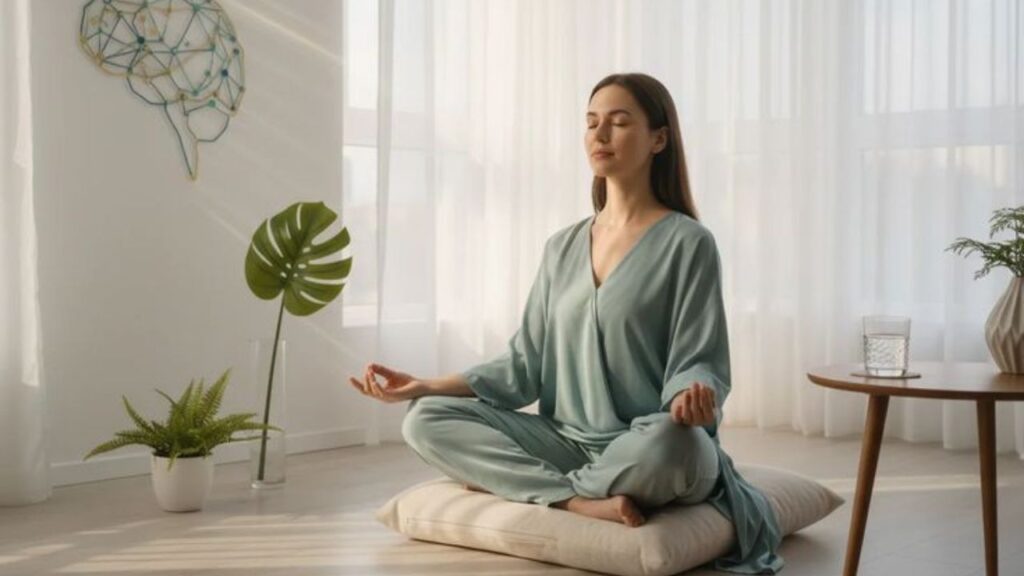
Practical Techniques in Guided Meditation for Self Love and Healing
Visualization and Affirmations
Guided meditation often includes visualization exercises to imagine positive scenarios, self-love, and healing. Affirmations reinforce positive beliefs, promote self-confidence, and reduce negative self-talk.
Breathing Exercises
Focusing on deep and controlled breathing calms the mind, reduces stress, and enhances mindfulness. Breathing exercises support emotional regulation and foster a state of inner peace.
Body Scan and Relaxation
Body scan techniques help release physical tension, encourage relaxation, and enhance mind-body connection. This promotes emotional awareness, reduces stress, and strengthens overall well-being.
Journaling and Reflection
Combining meditation with journaling allows individuals to reflect on insights, track personal growth, and process emotions effectively. This practice supports self-awareness, emotional healing, and long-term personal development.
Habits to Strengthen Self-Love Meditation
1.Engage in daily mindfulness practices to improve focus and clarity
2.Use positive affirmations for building self-confidence and self-worth
3.Practice controlled breathing exercises to reduce stress and enhance calmness
4.Incorporate visualization techniques for emotional healing and empowerment
5.Combine meditation with journaling to track personal growth and insights
Long-Term Impact of Guided Meditation for Self Love and Healing
Individuals who consistently practice guided meditation for self love and healing experience stronger emotional resilience, enhanced self-awareness, and improved mental well-being. Over time, this practice cultivates inner peace, reduces anxiety, and supports healthier relationships. By fostering a positive connection with oneself, guided meditation enables sustainable personal growth, self-compassion, and the ability to navigate challenges with clarity, confidence, and emotional balance. The practice transforms daily stress into opportunities for reflection, healing, and empowerment.
Conclusion
Practicing guided meditation for self love and healing is a powerful way to nurture self-compassion, emotional balance, and overall well-being. Throughout this article, we explored how meditation techniques like visualization, affirmations, and mindfulness help reduce stress, enhance self-awareness, and boost self-confidence. By incorporating these practices consistently, individuals can cultivate inner peace, foster personal growth, and strengthen resilience against daily challenges. Embracing guided meditation empowers you to transform negative emotions into calm, develop a positive mindset, and maintain long-term emotional and mental health.